If you’ve received a notice about a temporary construction easement in Virginia, you might wonder what it means for your property, your rights, and your wallet. Temporary construction easements are common during roadwork, utility upgrades, and public infrastructure projects. They can feel confusing or even intimidating at first. In this guide, we’ll break down what a temporary construction easement really is, how it works under Virginia law, what rights you keep or lose, and how compensation is determined. By the end, you’ll know how to protect your interests and where to turn for help.
What Is a Temporary Construction Easement in Virginia?
A temporary construction easement in Virginia is a legal agreement that gives a government agency or utility company the right to use part of your property for a limited time during a construction project. The key word here is “temporary.” The easement usually lasts only as long as needed for the work, often several months, sometimes a couple of years. Once the project is finished, control of the land returns to you.
These easements are not the same as permanent easements, which allow ongoing use of your land for things like pipelines or roads. With a temporary construction easement, the goal is to let workers access your property, store materials, or move equipment while they complete the job. When the project wraps up, the easement ends.
Why Are Temporary Construction Easements Used?
You might be asking, “Why do they need access to my property in the first place?” There are several reasons temporary construction easements are used in Virginia:
- To stage equipment or materials close to a work site.
- To provide extra space for workers to move safely.
- To allow machinery to turn around or maneuver.
- To relocate utilities like water, power, or sewage lines.
- To protect existing landscaping, trees, or driveways during construction.
Imagine a road widening project on a busy street. Workers might need extra room to park their vehicles, store gravel, or dig new utility trenches. Rather than buying your land outright, the agency pays for the right to use a slice of it temporarily. Once the dust settles, they’re supposed to clean up and leave your property in good shape.
Your Rights as a Property Owner
Getting a notice about a temporary construction easement can be unsettling. But as a property owner in Virginia, you still have important rights.
Notice and Negotiation
Before anyone steps onto your land, you should get a written notice explaining what the easement covers, how long it will last, and what the agency plans to do. You have the right to ask questions and negotiate the terms. You don’t have to accept the first offer, especially if it feels unfair or unclear.
Use of Your Property
During the term of the temporary construction easement, you may still use your property as long as it doesn’t interfere with the construction. The details depend on the agreement. For example, you might be asked to avoid parking in a certain area, but you can likely access the rest of your property as usual.
Restoration After Construction
Once the project ends, the agency is supposed to restore your property. That means cleaning up debris, repairing damaged fences or driveways, and replanting grass or landscaping if needed. If restoration isn’t done properly, you can request additional repairs or compensation.
Right to Fair Compensation
Perhaps most importantly, you have the right to be paid for the use of your land. Virginia law requires that property owners receive just compensation, even for temporary construction easements. The amount should reflect the impact on your property during the easement period.
How Compensation Works for Temporary Construction Easements
One of the biggest questions property owners have is, “How much will I get paid?” Compensation for a temporary construction easement in Virginia is based on several factors.
How Is the Value Determined?
Agencies usually start by hiring an appraiser to assess your property. They look at things like:
- The size and location of the area being used.
- The length of time the easement will last.
- How the easement affects your ability to use or enjoy your property.
- Any damage or loss of value caused by the construction.
- The need for restoration or repair afterward.
For example, if construction blocks your driveway for several months or damages your landscaping, you should be compensated for that inconvenience or loss.
Can You Negotiate the Offer?
Yes, you absolutely can. If you feel the offer is too low, or if the terms don’t seem clear, you have the right to negotiate. Many property owners choose to consult with an attorney or an experienced eminent domain professional before accepting an offer. This can help ensure you’re actually getting a fair deal, and not leaving money on the table.
What If You Don’t Agree?
If you and the agency can’t agree on compensation, you’re not out of options. Under Virginia law, the issue can go to court or a special commission, where both sides present their case. The decision will be based on expert testimony, property appraisals, and the facts of your situation.
The Legal Process: What to Expect
Dealing with a temporary construction easement can feel overwhelming. Here’s a general outline of what often happens in Virginia:
- The agency contacts you with a written notice describing the easement and their intended use.
- An appraisal is conducted to determine the fair value of the easement.
- You receive an offer for compensation, along with proposed terms.
- You can ask questions, negotiate, or seek professional advice before responding.
- If you accept, a formal agreement is signed and recorded.
- If you don’t accept, negotiations continue. Unresolved cases may go to court.
Throughout this process, you have the right to representation and to challenge unfair terms. It’s wise to keep records of all communications and agreements to protect your interests.
Common Issues and How to Protect Yourself
Not all temporary construction easements go smoothly. Here are some common issues Virginia property owners face, and what you can do about them.
Lack of Clear Terms
Sometimes, the notice or agreement doesn’t spell out exactly what will happen on your land. Don’t be afraid to ask for details on:
- The exact area affected.
- The duration of the easement.
- Restrictions on your use of the property.
- What restoration will include.
Clear language helps prevent misunderstandings down the road.
Inadequate Compensation
If the offer seems low, ask to see the appraisal. You can also get your own independent appraisal for a second opinion. Sometimes, agencies overlook the full impact the easement could have on your property or business.
Damage or Poor Restoration
After construction, make sure your land is restored as promised. If damages remain, document them with photos and written notes. Notify the agency right away and request repairs or further compensation if needed.
Feeling Pressured to Sign
Don’t feel rushed. You have the right to take your time, ask for advice, and make sure you’re comfortable with the agreement before signing anything.
Practical Example: Road Widening in Suburban Virginia
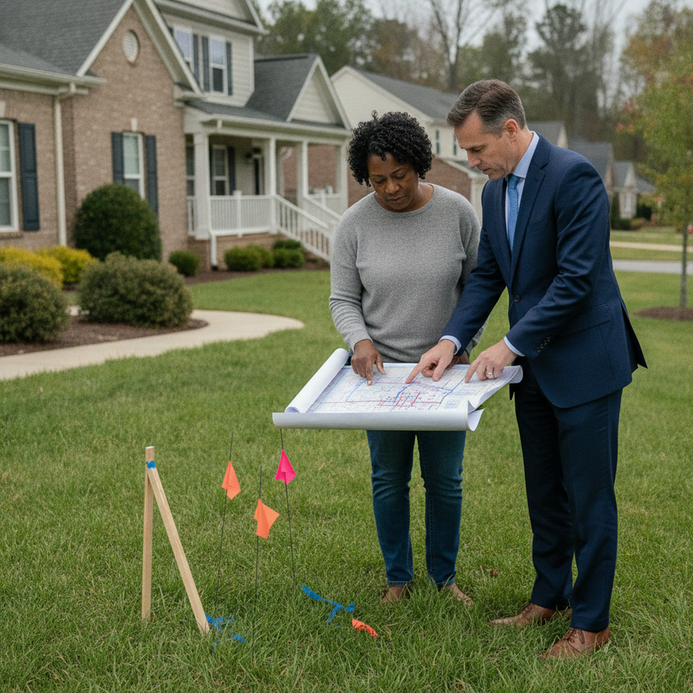
Let’s look at a real-world example. Suppose you own a home along a busy street in Fairfax County. The state announces a road widening project and says it needs a temporary construction easement on a corner of your front yard. Workers will need the space for equipment and to move materials. You’re told the easement will last nine months.
You receive a written notice with an offer. The agency’s appraiser values the use of your land at $2,500. You’re concerned about your favorite tree near the work zone and how your lawn will look afterward. You ask for more details, request that the tree be protected, and negotiate for a higher payment based on the disruption to your property.
After a few conversations, the agency agrees to protect the tree and raises the offer to $3,000. The easement agreement requires them to replant grass and repair your walkway when the job is done. You sign the agreement, and the project moves forward. If the restoration isn’t done as promised, you know you can reach out for further help.
[IMAGE] Alt text: A Virginia homeowner talking with a representative about a temporary construction easement, with a survey map and construction markers visible. AI prompt: “A Virginia homeowner and a government representative discussing a survey map in a suburban yard, temporary construction markers visible, realistic style.”
Final Thoughts: Protecting Your Rights in Virginia
A temporary construction easement in Virginia doesn’t have to be a headache. Knowing your rights, asking questions, and seeking advice can help you get fair compensation and minimize hassle. Always review any documents carefully and don’t rush into signing before you’re comfortable with the terms. If you need guidance or want to make sure your rights are fully protected, expert help is just a call or click away.
Contact us to learn more.