Ever wondered what happens if you suddenly lose access to your property because of a government project in Virginia? It’s a stressful situation, and you’re not alone. Many property owners face confusion and uncertainty with lost access in Virginia eminent domain cases. This guide will help you understand your rights, explain what you can do, and outline the important steps to protect your interests.
What Does ‘Lost Access’ Mean in Virginia Eminent Domain?
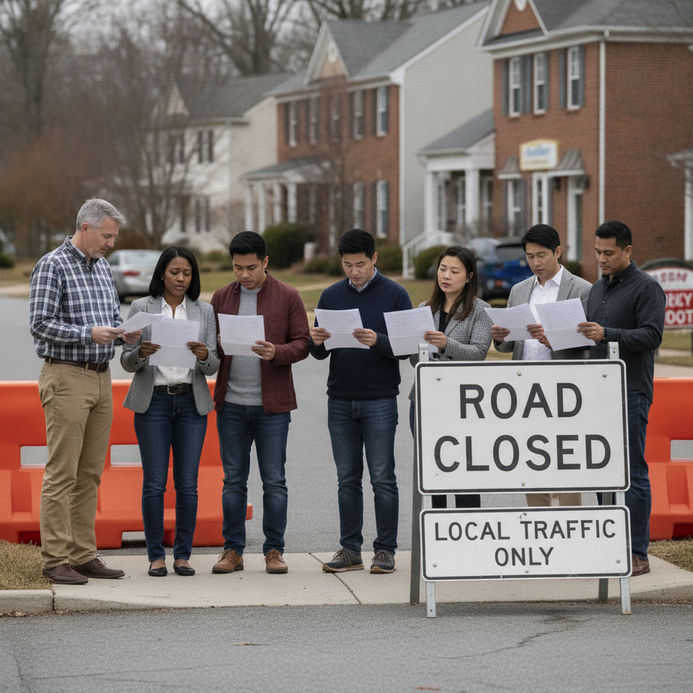
When we talk about ‘lost access’ in the context of Virginia eminent domain, we mean that a property owner can no longer reach all or part of their property as easily as before, or sometimes at all. This can happen when the state or a local authority takes part of your land for a road, a public utility, or another project. Sometimes, the project changes traffic patterns, blocks your driveway, or eliminates a path you rely on to use your property.
Losing access can affect both homes and businesses. For example, a new highway might cut off a business from its customers or make it hard for delivery trucks to get in. For a homeowner, it could mean a longer, inconvenient route to get home. In the worst cases, you might be left with land that’s difficult or impossible to use.
Let’s say your small business is on a main road, and a new overpass is built. Suddenly, customers have to drive around several blocks to reach your parking lot, or maybe they can’t turn into your driveway at all. Sales may drop overnight. Or imagine you’re a farmer and a new railway splits your land, forcing you to take a long detour just to reach fields you once accessed in minutes. These are real-life examples of lost access.
Sometimes, the change is subtle. Maybe your driveway isn’t blocked, but a new median means you have to drive a mile out of your way to get home. Over time, that inconvenience adds up, and it can lower your property’s value.
Your Legal Rights When You Lose Access
Virginia law recognizes that access is a vital part of property ownership. If you’ve lost access due to a government taking, you have specific rights:
- You’re entitled to just compensation if your access is taken or significantly reduced.
- The government must follow a set process before taking your property or limiting your access.
- You have the right to challenge the taking or the amount of compensation offered.
The law doesn’t just protect against the loss of land itself. It also covers damages caused by changes in access. For example, if a new median or road design makes it much harder for customers to reach a business, that loss of convenience and business value can qualify for compensation.
Under Virginia Code § 25.1, you’re also entitled to notice before any action is taken, and you should have a chance to respond. If you think your access is being limited, don’t ignore those letters or notices, they’re your first clue that you need to act.
Types of Access Losses
There are different ways access can be lost during a Virginia eminent domain action:
- Complete loss: No legal way to reach your property from a public road. For example, if a public road is closed and not replaced, you might be left landlocked.
- Partial loss: A driveway or entrance is blocked, or the route becomes much longer or more difficult. Maybe you still have access, but it’s so inconvenient that it disrupts your daily life or your business.
- Changes in traffic patterns: New roads or barriers make access less direct or convenient. For instance, a new one-way street might mean customers have to circle the block to find your store.
Each of these can impact the value and usefulness of your property. The law tries to make sure you’re not left carrying the cost alone. Even if you technically still have a way in and out, the law looks at whether your access is “reasonable.” If it’s not, you may have a strong claim.
How to Recognize If You’ve Lost Access
It’s not always obvious that you’ve lost access after an eminent domain project. Sometimes, the effects show up over time. Here’s how you can spot the problem:
If you notice it’s suddenly harder to get to your home, farm, or business, or if your customers start complaining about a confusing new route, you may have lost access. Signs include blocked driveways, new fences or barriers, loss of a private road, or a long detour where there used to be a direct path. For business owners, a drop in sales or fewer visits can also be a red flag.
Let’s look at a practical example. Suppose after a road project, you find that delivery trucks can no longer make a left turn into your business, and now must take a much longer route. Or maybe your home is still technically accessible, but the only road is now so narrow or rough that family and friends avoid visiting. These are signs your access has changed for the worse.
If you’re not sure, it’s helpful to keep a record of changes. Take photos of your property before and after the project, and keep notes on any new obstacles or inconveniences. This documentation can be important if you need to prove your case later. For businesses, save sales records and customer feedback. For homeowners, jot down any delays or extra travel time you’re experiencing.
Also, pay attention to how emergency services would reach you. If your new access route is confusing or blocked, it could affect fire trucks, ambulances, or police response times. This is not just inconvenient, it can be dangerous and is a valid concern to raise.
Steps to Take If You Lose Access Due to Virginia Eminent Domain
Losing access can feel overwhelming, but you have options. Here’s what to do if you find yourself in this situation:
- Document everything. Take photos, gather old maps, and write down what changed. Include dates and details about how your daily life or business is affected.
- Review any notices or paperwork from the government about the project. Look for details about what land is being taken, why, and what impact is expected.
- Speak with neighbors or other property owners to see if they’re facing similar issues. Sometimes, a group effort can get better results or help clarify what’s happening in your area.
- Contact a qualified attorney or property rights expert with experience in Virginia eminent domain. They can help you understand your rights and deadlines, and may spot issues you missed.
The government must follow strict rules, and there are deadlines for responding or filing a challenge. Don’t wait too long to act. The sooner you start gathering information, the stronger your case will be.
It also helps to attend any public meetings about the project. These meetings are a chance to ask questions and voice concerns. Even if the project is already underway, showing up signals that you’re paying attention and want your rights respected.
If you feel overwhelmed by paperwork or legal terms, don’t hesitate to ask for help. Many property owners find the process confusing, so you’re not alone. Legal aid groups or local real estate experts can often explain things in plain English and help you get started.
What Compensation Can You Receive for Lost Access?
If you’ve lost access due to Virginia eminent domain, the law says you should be paid for that loss. But how much?
Compensation depends on how badly your property is affected. If you can no longer use your land at all, you may be entitled to full market value. For example, if you were left with landlocked property that has no legal access, the government may be required to buy the entire parcel. If the change just makes access harder, you might be owed for the loss in value to your property. For commercial properties, lost business income can sometimes be part of the calculation.
Let’s break it down further. If your home’s only driveway is closed and not replaced, you might be paid as if your whole property was taken. If your access is reduced but not eliminated, say, customers can only reach your store from one direction instead of both, an appraiser would estimate how much this hurts your property’s value. The difference is what you should be compensated for.
Virginia law generally uses “before and after” appraisals. That means your property is valued before the project and after the change. The difference, plus any lost income or extra costs, forms the basis for compensation. If you have to build a new driveway, add signage, or make other improvements to maintain access, those costs may also be included.
An independent appraiser can help figure out the true impact. The government’s offer isn’t always the final word. You have the right to negotiate or challenge an offer if it doesn’t fully cover your losses. Sometimes, cases go to court to decide what’s fair.
Keep in mind, the government might hire its own appraiser. Their valuation could be lower than what you think is fair. This is where getting your own expert pays off. They’ll compare traffic counts, assess lost business, or show how the longer route hurts your rental or resale value.
Challenging a Lost Access Case: Your Options
If you believe your rights aren’t being respected, or the compensation offered isn’t enough, you don’t have to accept it.
You can:
- File a formal objection with the government agency responsible for the taking. This might involve a written protest or a legal filing.
- Request a hearing to argue your case. Some agencies offer administrative hearings before a project moves forward.