Ever gotten a letter saying the government or a utility wants to take your land for a new road or pipeline? It’s a stressful situation, but you’re not powerless. Understanding your Virginia property owner rights in eminent domain cases can help you protect your property, get fair compensation, and navigate a complicated process with confidence. In this guide, you’ll learn what eminent domain means in Virginia, the steps involved, your rights at each stage, and what to do if you disagree with what’s being offered.
What Is Eminent Domain in Virginia?
Eminent domain is the government’s legal power to take private property for public use, like highways, schools, or utilities. In Virginia, this power is limited by both state and federal laws to protect property owners. The most important rule? If your property is taken, you must be paid “just compensation.”
But what counts as just compensation? And who decides? Let’s break down the basics so you know what to expect.
When and Why Can Your Property Be Taken?
You might be wondering, “Can they really take my land for anything?” The answer is no. There are strict requirements for when eminent domain can be used in Virginia.
Public Use Requirement
The project must serve a clear public purpose. Common examples include building roads, expanding schools, or installing public utilities. Private companies can sometimes use eminent domain, but only if their project benefits the public, like a power line or water system.
Legal Process and Notice
Before anything happens, you’ll get an official notice, usually by certified mail, telling you about the proposed project and the part of your property that could be affected. This notice starts the legal process and gives you a chance to respond.
Key Virginia Property Owner Rights in Eminent Domain
Knowing your rights gives you leverage. Here are the main protections Virginia law gives to property owners facing eminent domain:
Right to Just Compensation
You are entitled to be paid the fair market value of your property. That means what your property would sell for on the open market, not what you paid for it or what the government hopes to spend. If only part of your land is taken, you may also be owed for how the loss affects the rest of your property.
Right to Due Process
The government or condemning authority must follow a set legal process. You have the right to receive formal notice, review project plans, and respond. You can negotiate the offer, present your own evidence, and even challenge the taking in court if you believe it’s not truly for public use or the offer is too low.
Right to Legal Representation
You have the right to hire your own attorney and independent appraisers. Many property owners find it helpful to get expert advice, since the process can be complicated and the stakes are high.
Right to Challenge the Taking
If you disagree with the project or think it isn’t for a legitimate public purpose, you can challenge the taking in court. This is a big step, but sometimes it’s the best way to protect your rights.
The Eminent Domain Process: What to Expect
Understanding the step-by-step process can help you make smarter decisions. Here’s what typically happens in a Virginia eminent domain case.
- You receive a notice of intent. This lets you know the government or utility is considering taking your property.
- The project owner may request to inspect your property and conduct an appraisal.
- You receive a written offer, which should include an appraisal or summary of how the value was determined.
- You can accept the offer, negotiate for more, or reject it.
- If you can’t reach an agreement, the condemning authority can file a court action to take the property. The court will then decide if the taking is legal and determine the amount of compensation.
- If needed, a jury can decide how much you’re owed.
Most cases settle before reaching court, but you should know your rights at every stage.
How Is Just Compensation Determined?
The heart of any eminent domain case is the question: What is your property really worth? Here’s how the process usually works in Virginia.
Appraisals and Fair Market Value
The condemning authority must have your property professionally appraised. This appraisal looks at factors like location, size, current use, and recent sales of similar properties. You’re entitled to see this appraisal and can get your own independent valuation.
Partial Takings and Damages to Remaining Property
If only part of your land is taken, the law requires compensation not just for the land lost, but also for any negative effects on what remains. For example, if a new road cuts through your farm, making it harder to access part of your land, you may be owed additional compensation for that inconvenience or decrease in value.
Relocation Costs and Other Damages
Sometimes, you may be forced to move your home or business. Virginia law may require the government to cover reasonable relocation expenses. You may also be entitled to payment for lost business income or other damages, depending on your situation.
Common Challenges Property Owners Face
No two eminent domain cases are exactly alike. Here are some of the most common problems Virginia property owners run into, and what you can do about them.
Disagreements Over Value
It’s common for property owners and the government to have very different ideas about what’s fair. If you think the offer is too low, you can present your own appraisal and negotiate. If you still can’t agree, you can take the case to court.
Unclear Project Plans
Sometimes, the project details are vague or keep changing. You have the right to request clear, written information about how your property will be used and how much will be affected.
Pressure to Settle Quickly
Don’t feel rushed to accept the first offer. You have time to review your options, seek advice, and negotiate. Remember, once you sign, you usually can’t go back.
Practical Steps for Protecting Your Rights
If you’ve received a notice or think your property might be affected by eminent domain, here’s what you should do next.
- Read every document carefully. Keep copies of all letters, offers, and plans.
- Don’t agree to anything right away. Take time to consider your options.
- Get your own appraisal and legal advice. Independent experts can often spot lowball offers or missed compensation.
- Ask questions. Request details about the project, the appraisal, and the legal timeline.
- If you disagree with the offer or the taking, consider negotiating or challenging it in court.
Insert featured image placeholder here with alt text and AI image prompt:
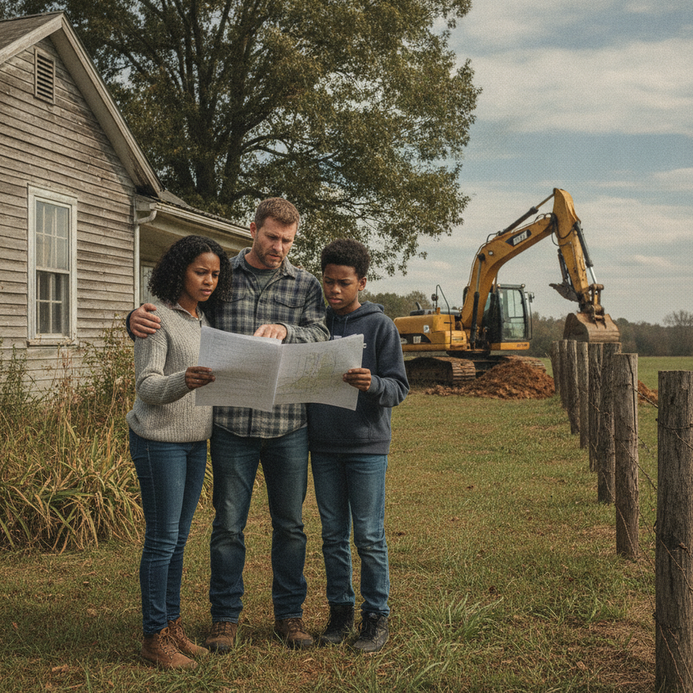
(alt text: “A Virginia family standing in front of their rural home, reviewing legal documents with concern as construction equipment operates in the background. The image should evoke the tension and determination of property owners facing eminent domain proceedings.”)
(AI image prompt: “Virginia family, rural home, legal documents, construction equipment in background, concerned expressions, natural lighting, realistic style”)
Your Rights in Special Situations
Not every property is the same. Some situations come with unique challenges or protections.
Businesses and Farms
Losing part of a business or farm can be more complicated than losing a home. There may be additional compensation for lost profits, relocation costs, or harm to the rest of your operation. Make sure any appraisal considers these factors.
Historic or Unique Properties
If your property is historic or has special features, it may have a higher value or be protected by additional laws. You can raise these points during negotiations or in court.
Tenants and Renters
Tenants can sometimes be entitled to compensation for being forced to move, especially if they lose business income or face relocation costs.
Where to Get Help With Virginia Eminent Domain Cases
The laws around Virginia property owner rights in eminent domain cases can be complex, and every situation is unique. You don’t have to go it alone. There are attorneys who focus on eminent domain cases and organizations like Virginia Eminent Domain that offer resources and personalized guidance. Getting expert help can make a big difference in getting the compensation you deserve and protecting your rights. ## Conclusion
Eminent domain can feel overwhelming, but knowing your Virginia property owner rights in eminent domain cases puts you in control.
You have the right to fair compensation, due process, and expert help. If you’re facing an eminent domain action, don’t wait. Contact us to learn more.